
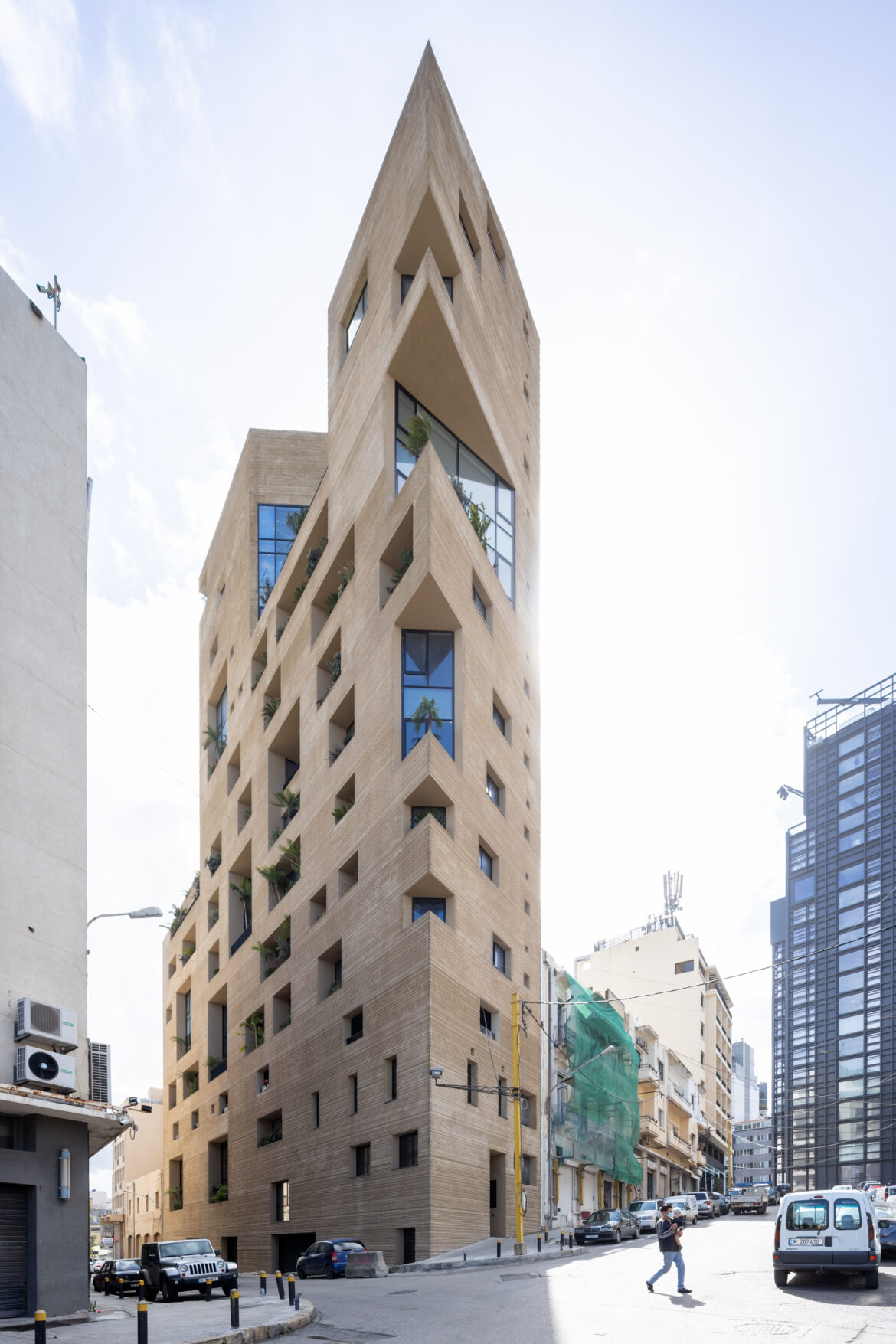
حديقة الحجر - مجمع سكني ومعرض فني | 2020
لينا غطمة
بيروت | لبنان
يشهد العالم العربي اليوم أزمة متفاقمة في السكن الجماعي، تتداخل فيها العوامل الاقتصادية والديموغرافية والعمرانية والسياسية لتشكّل أحد أكثر التحديات إلحاحًا في المدن الكبرى. فالنمو السكاني المتسارع، والهجرة من الأرياف إلى المدن، وارتفاع أسعار الأراضي، وضعف سياسات التخطيط الطويل المدى، كلها أدّت إلى فجوة عميقة بين العرض والطلب. كما أن التحوّلات الاقتصادية منذ منتصف القرن العشرين — من التصنيع المتأخر إلى الاعتماد المتزايد على الخدمات والعقارات — رسّخت نموذجًا عمرانيًا يفضّل الامتداد الأفقي والبناء الفردي، على حساب تطوير أنماط سكنية جماعية متكاملة. ونتيجة لذلك، ظهرت أحياء غير مخططة، ومشاريع إسكان متدنية الجودة، ومساحات حضرية تفتقر إلى البنية التحتية والمرافق العامة.
إلى جانب هذا الواقع العمراني، ظلّت الصورة الاجتماعية للسكن الجماعي مرتبطة بإرث مشاريع الستينيات والسبعينيات الحكومية، التي اعتُبرت في أذهان كثيرين أبعد عن طموحات الأسرة العربية الباحثة عن الملكية الخاصة والمساحة المستقلة. هذا الإرث رسّخ خطابًا يُفضّل العزلة المعمارية على الحياة المشتركة، ويُهمّش التجارب التي تختبر إمكانات المدينة الكثيفة.
في مواجهة ذلك، يعود سؤال السكن الجماعي إلى الواجهة اليوم بوصفه مشروعًا ثقافيًا بقدر ما هو حلّ عمراني؛ إذ يعيد التفكير في معنى العيش المشترك، وفي كيفية بناء مدن أكثر عدلًا وقدرة على الاحتواء وحساسية لتنوّع الحياة اليومية.
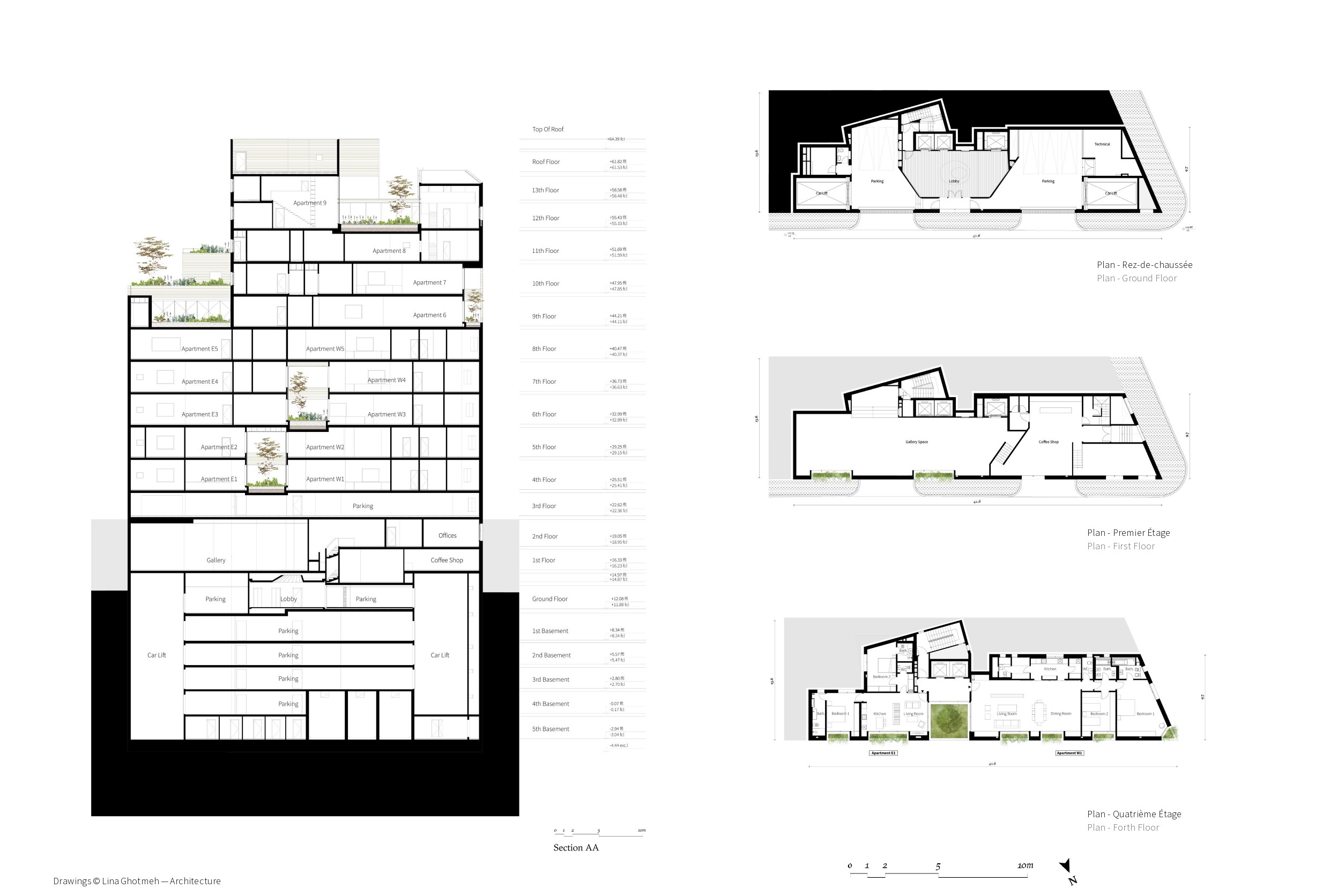
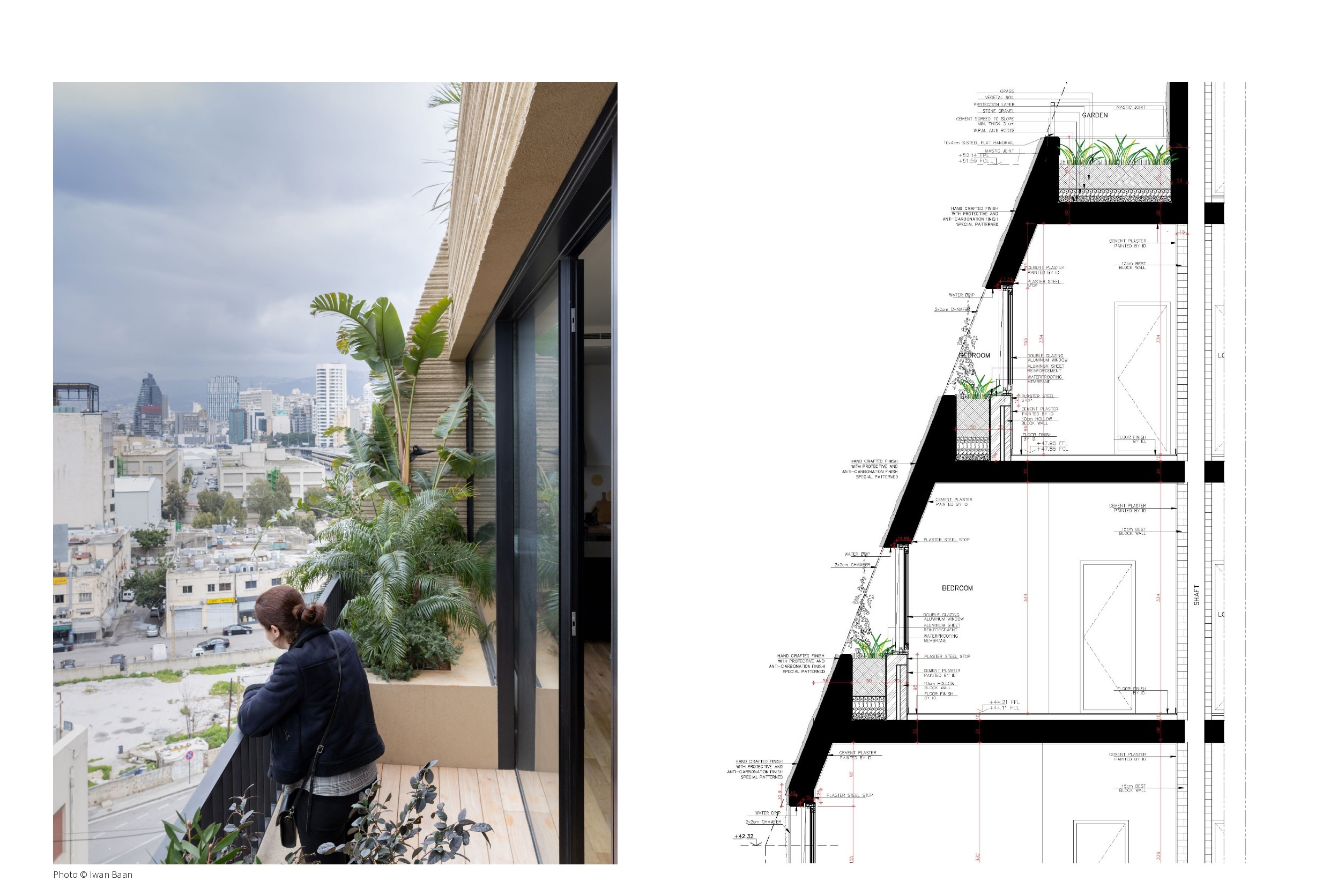
ضمن هذا السياق، يقدّم مشروع حديقة الحجر (Stone Garden) في بيروت نموذجًا مغايرًا للسكن الجماعي. فالبناء العمودي المتدرّج يستلهم منطق مباني شبام التاريخية، حيث تتشكّل الكتلة من تدرّجات متتابعة تحافظ على توازنها الإنشائي، وتعيد ضبط علاقتها بالنسيج المحيط من خلال حوار هادئ مع ارتفاعات الأبنية المجاورة، ما يخفّف أثر الكتلة العمودية على المشهد العام، ويخلق توازنًا بين الخصوصية والمساحات المشتركة.
Beirut is a permanent archeology. Buried 7 times through the ages, the city tells the story of our ancestors. Currently, its built landscape reflects its recent history. Ruined buildings invaded by wilderness juxtaposed with red tiled roofed traditional houses that still bear witness to the architecture of this Mediterranean city.
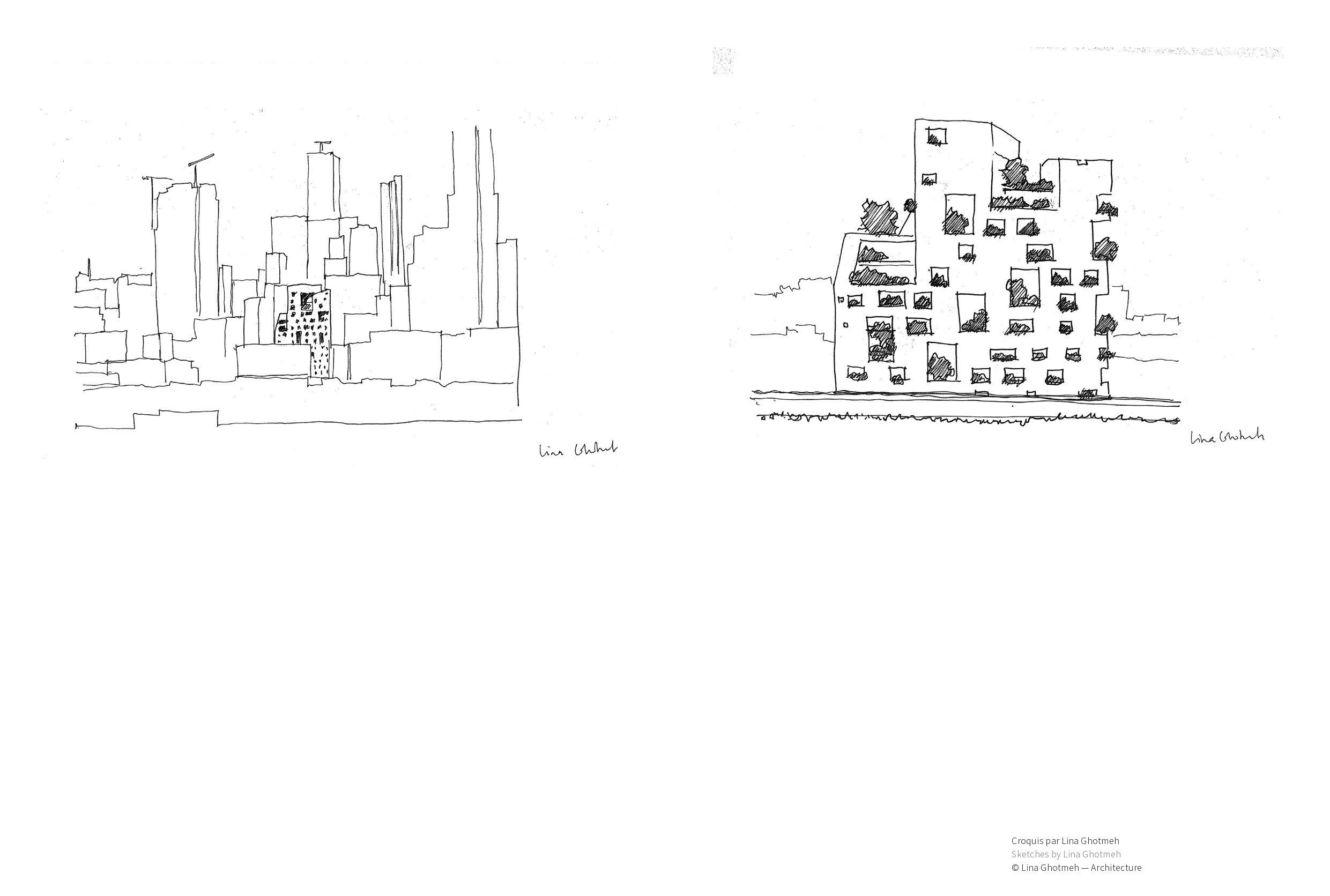
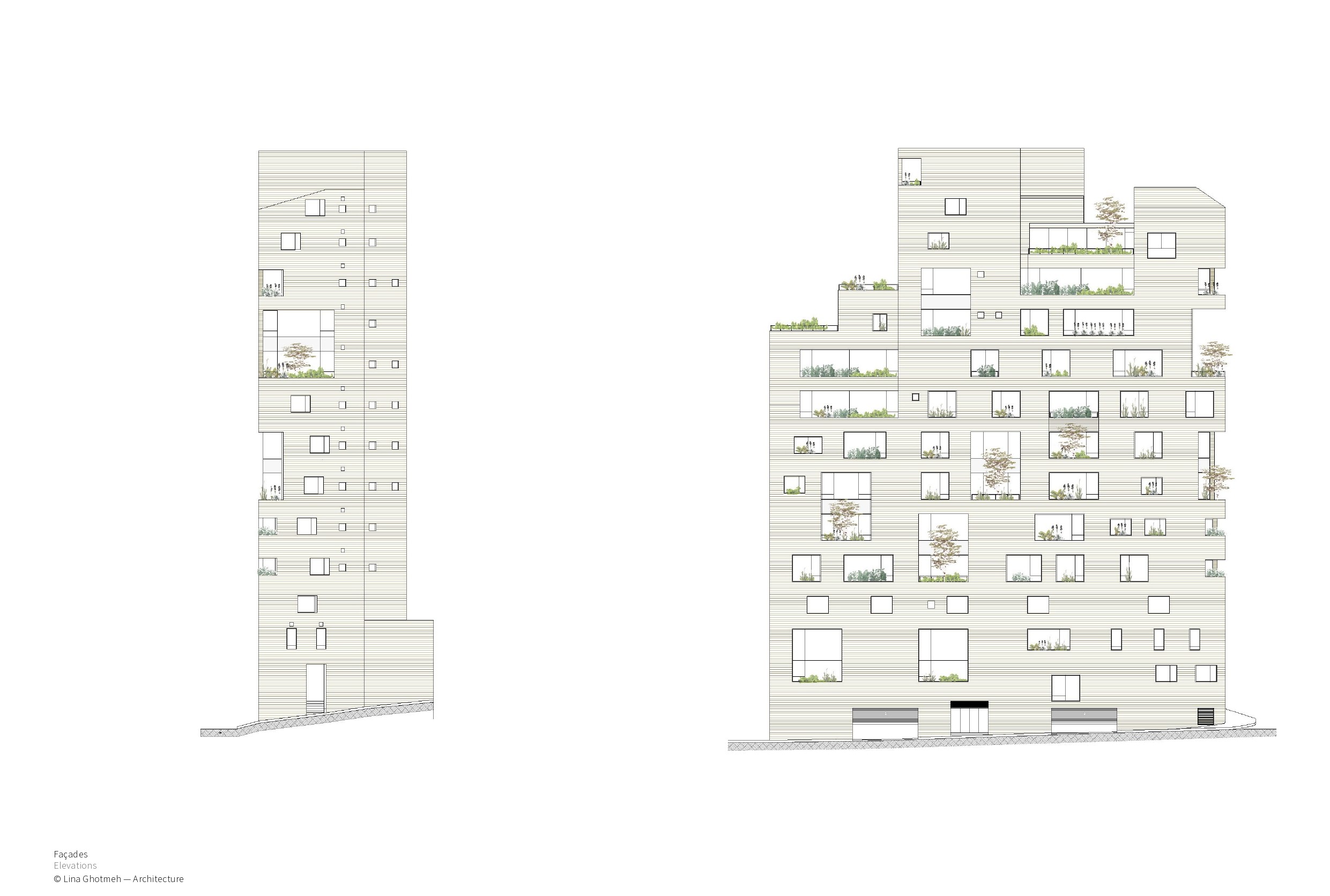
Located in the port area, « Stone Garden » materializes the Architect’s perception of her birthplace. The project emerges with a new architectural form that translates a sensitive spatial reading of the city. Taking its roots from its context, it portrays the capacity of architecture to act as a healing tool and an active player in building resilience at times of crisis. Transforming tumultuous events into a creative opportunity, the tower appears as a sculpture drawn on an urban scale. Amorphous, it translates the form generated by the urban regulation. Its openings, of various sizes, hold the memory of the city and offer multiple framings of the sea from the inside.
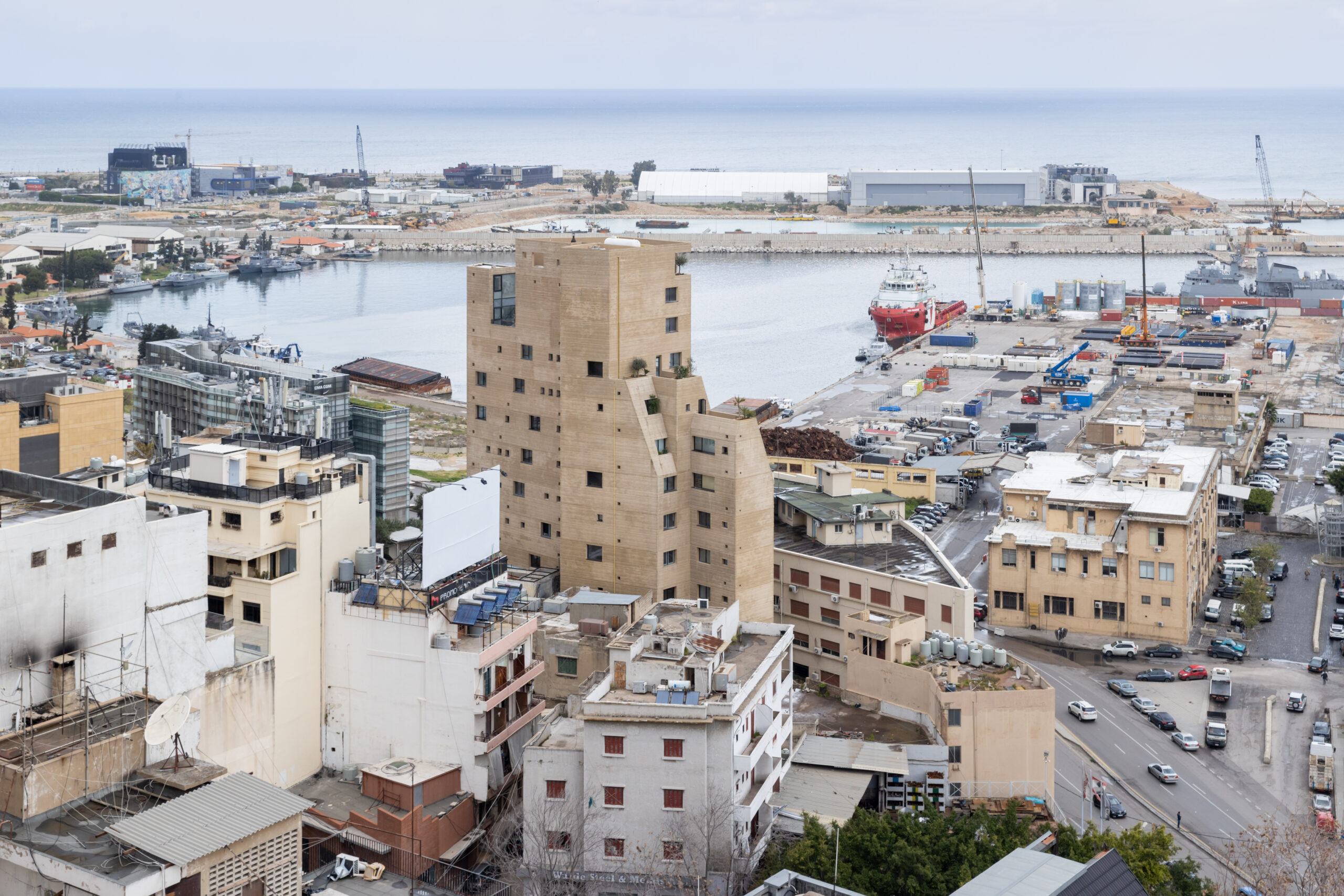
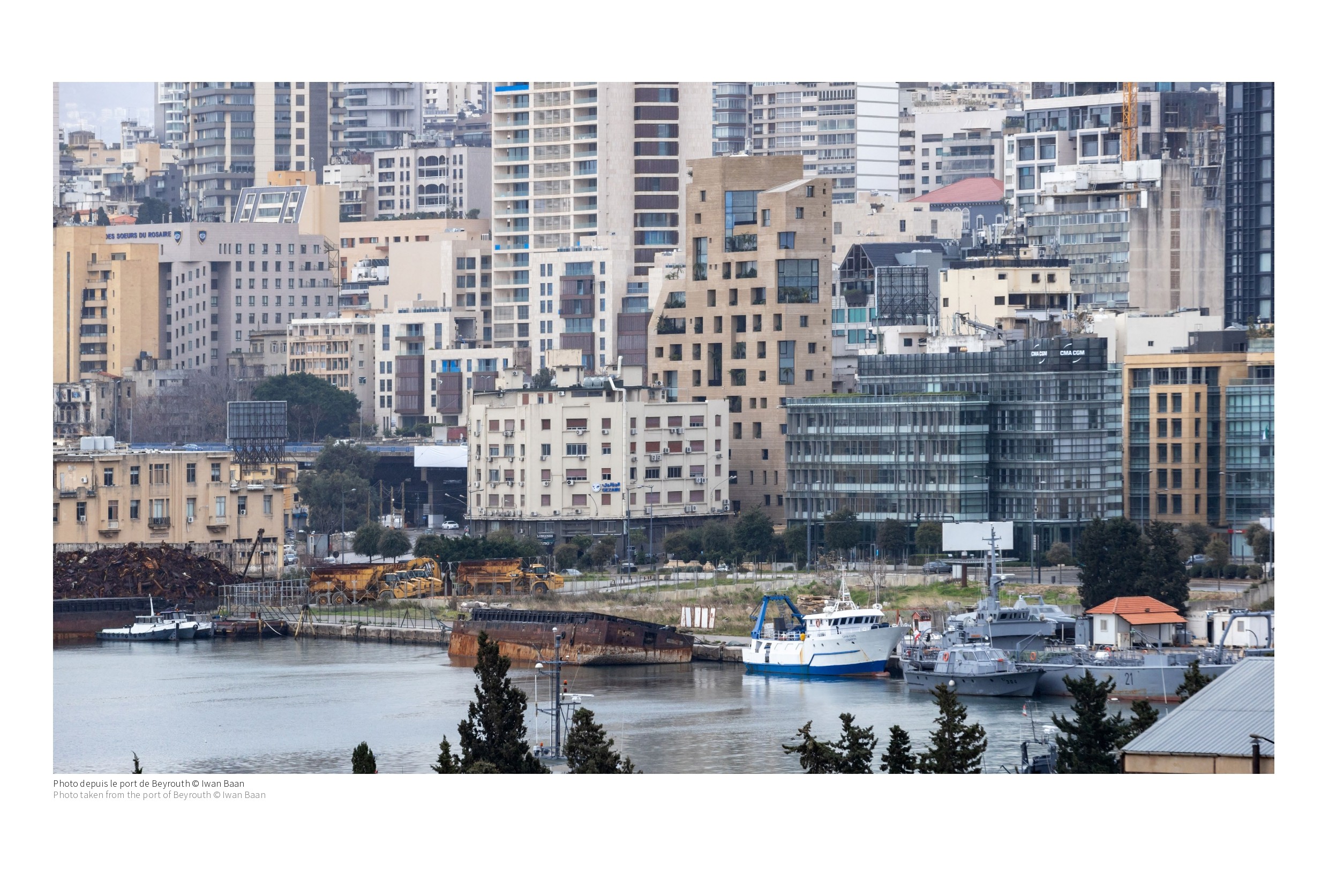
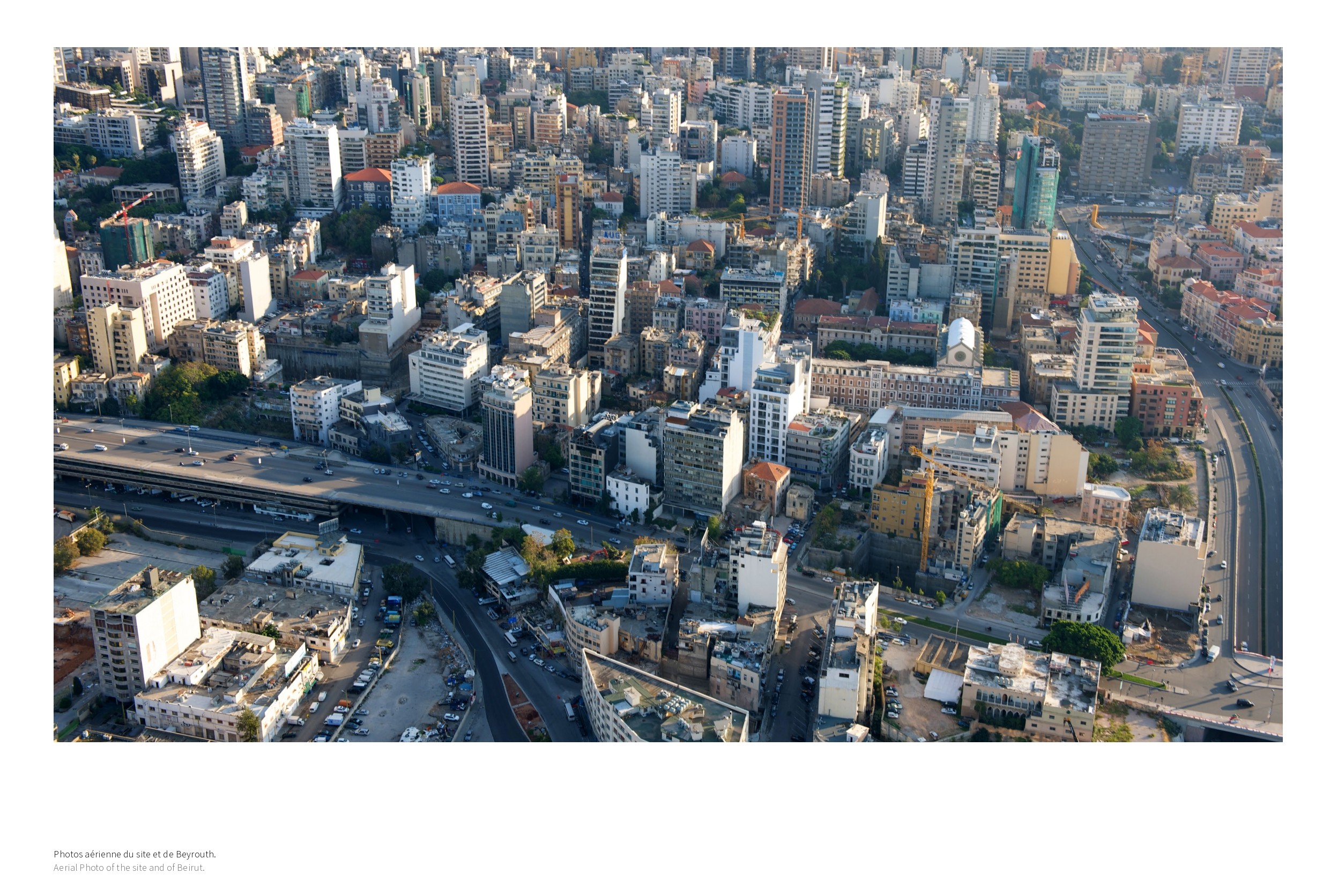
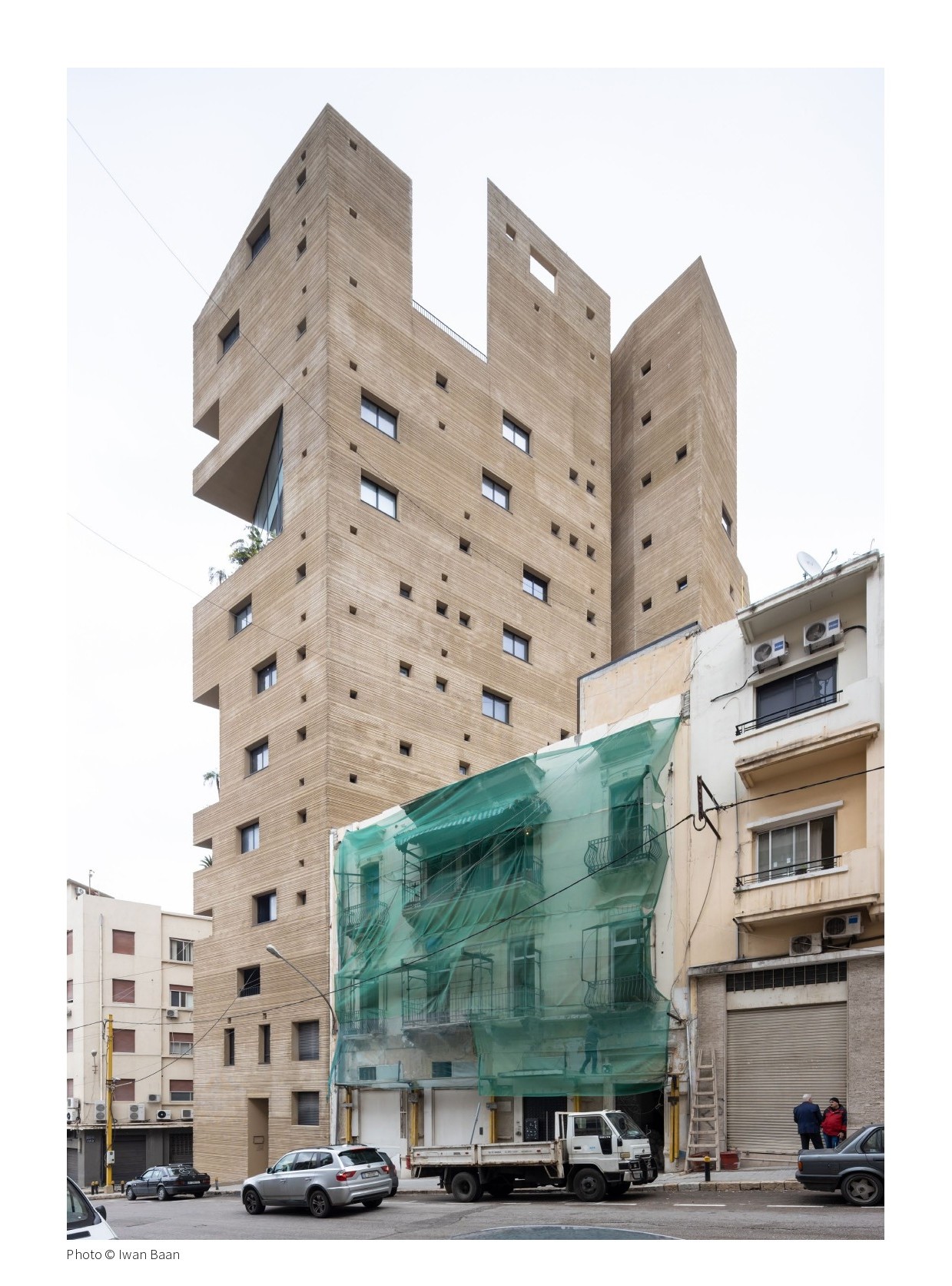
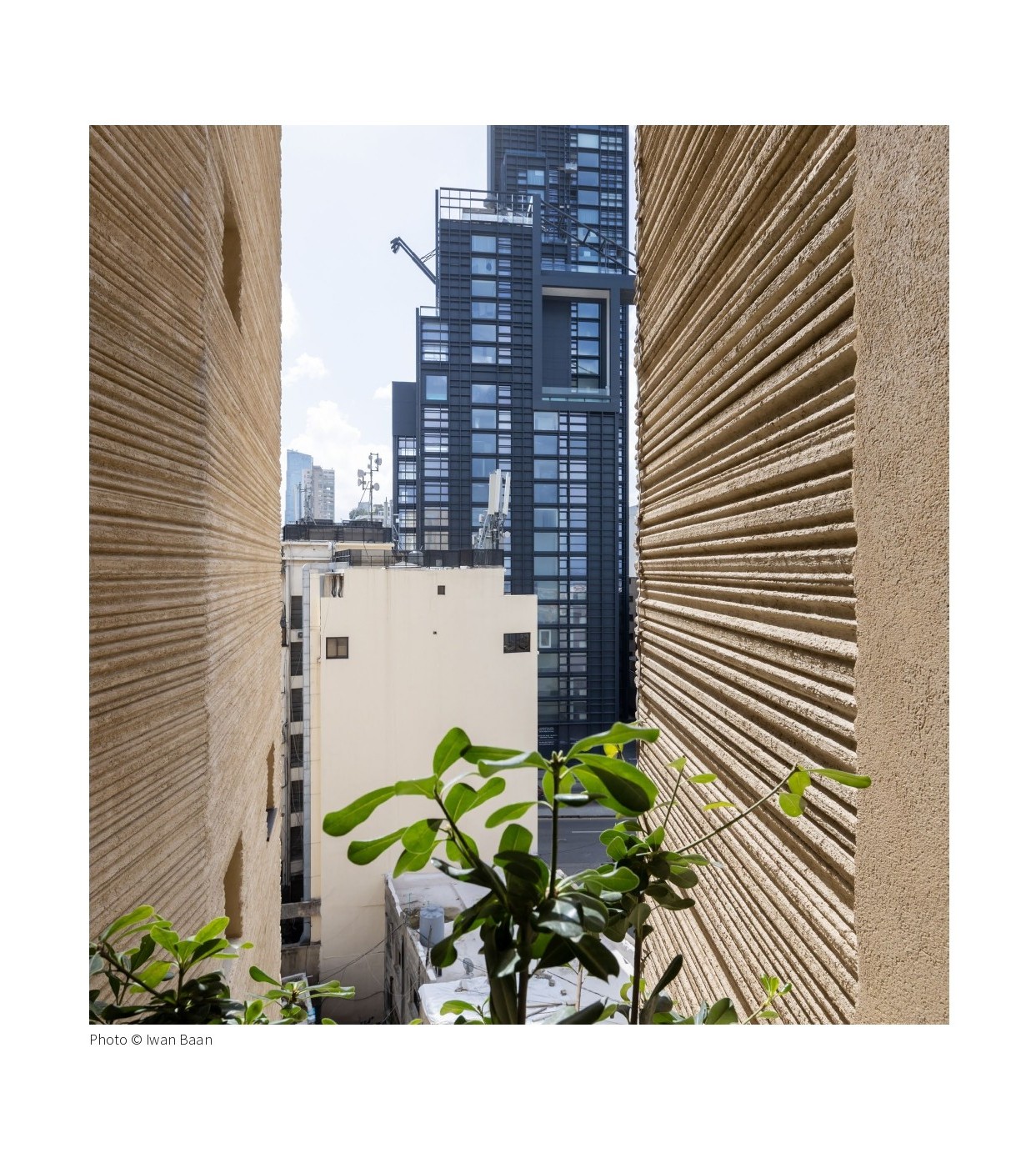
البرج، المصنوع من الإسمنت والمغطّى يدويًا بطبقات ترابية وألياف طبيعية، يتجاوز فكرة المسكن التقليدي نحو تجربة حسّية واجتماعية تتفاعل فيها المادة مع الذاكرة والمكان. هنا يتحوّل التصميم إلى أداة لإعادة صياغة المجتمع داخل المدينة، وليصبح السكن الجماعي تجربة مستدامة متصلة بالناس والبيئة المحيطة.
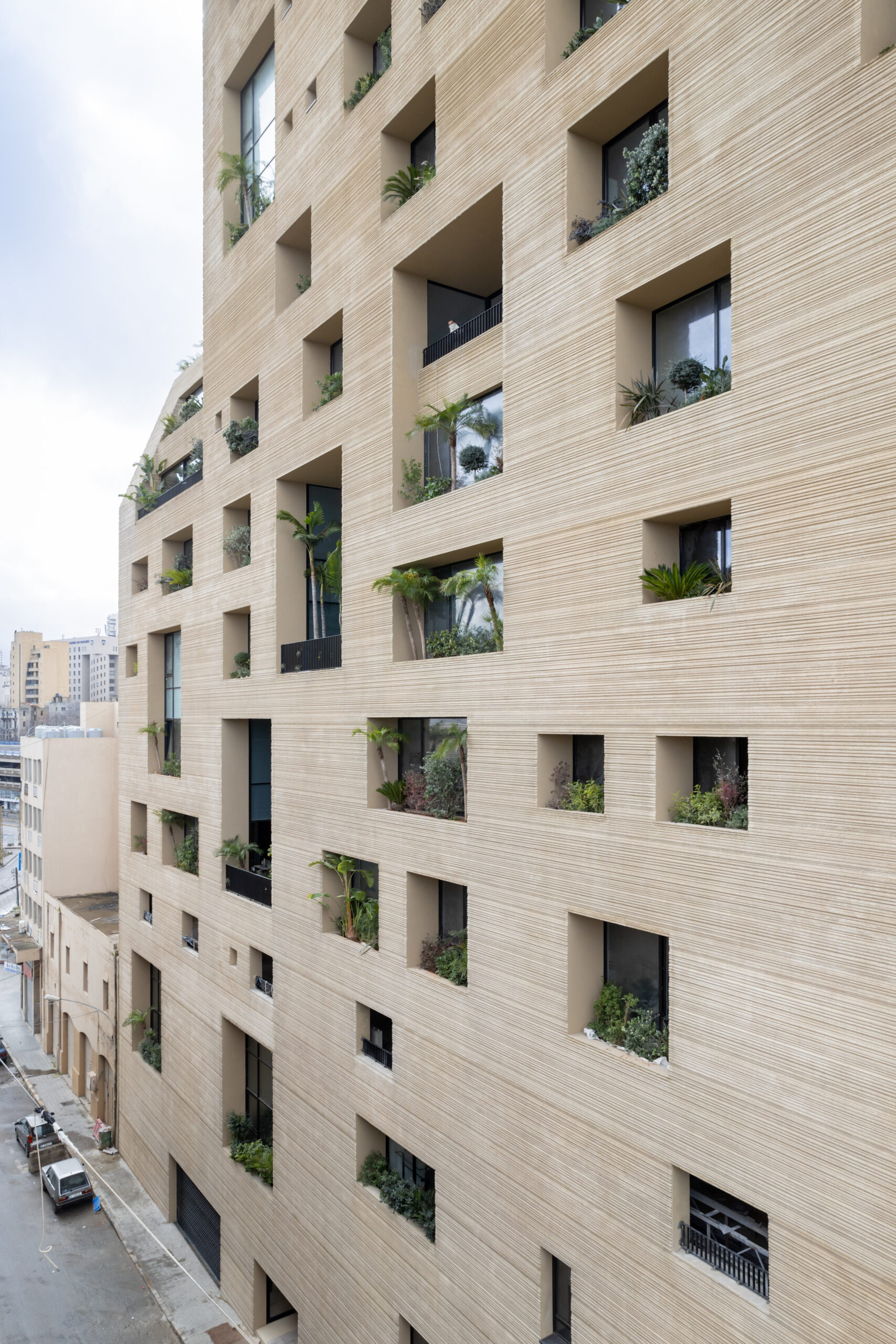
الفتحات المتفاوتة الأحجام تعمل كإطارات للمدينة والبحر، تُدخل المشهد الخارجي إلى الداخل وتحوّل الواجهة إلى علاقة حيّة مع المكان. أما الطوابق السكنية فتنفتح على مساحات مشتركة تُتيح تواصلًا يوميًا بين السكان، فيما تحتفظ كل وحدة بخصوصيتها في توازن دقيق بين الانفراد والعيش المشترك.
وعلى الواجهات والأسطح، تمتد النباتات وتتسلّق تدريجيًا نحو السماء، فتربط الطبيعة بالنسيج العمراني وتعيد الحيوية إلى الكتلة العمودية. في تلك التجاويف المتراكبة، تتجاور الفتحات كما تتجاور الحكايات؛ يطلّ السكان على المدينة وعلى بعضهم من أعماق معمارية تمنحهم شعورًا بالانتماء، وتعيد طرح سؤال أساسي: كيف يمكن لمدينة أنهكتها الجراح والفقدان أن تستعيد معنى العيش المشترك؟
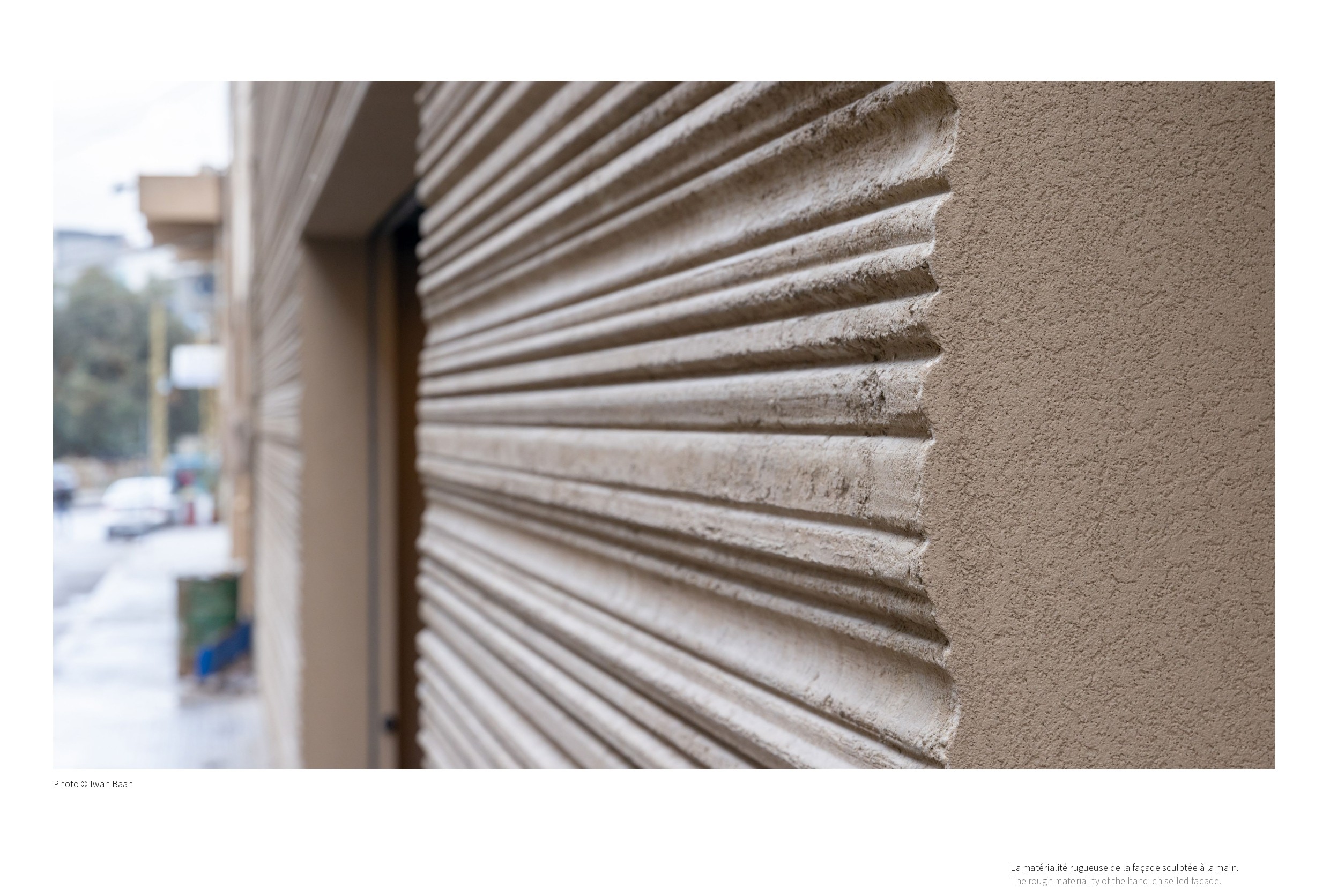
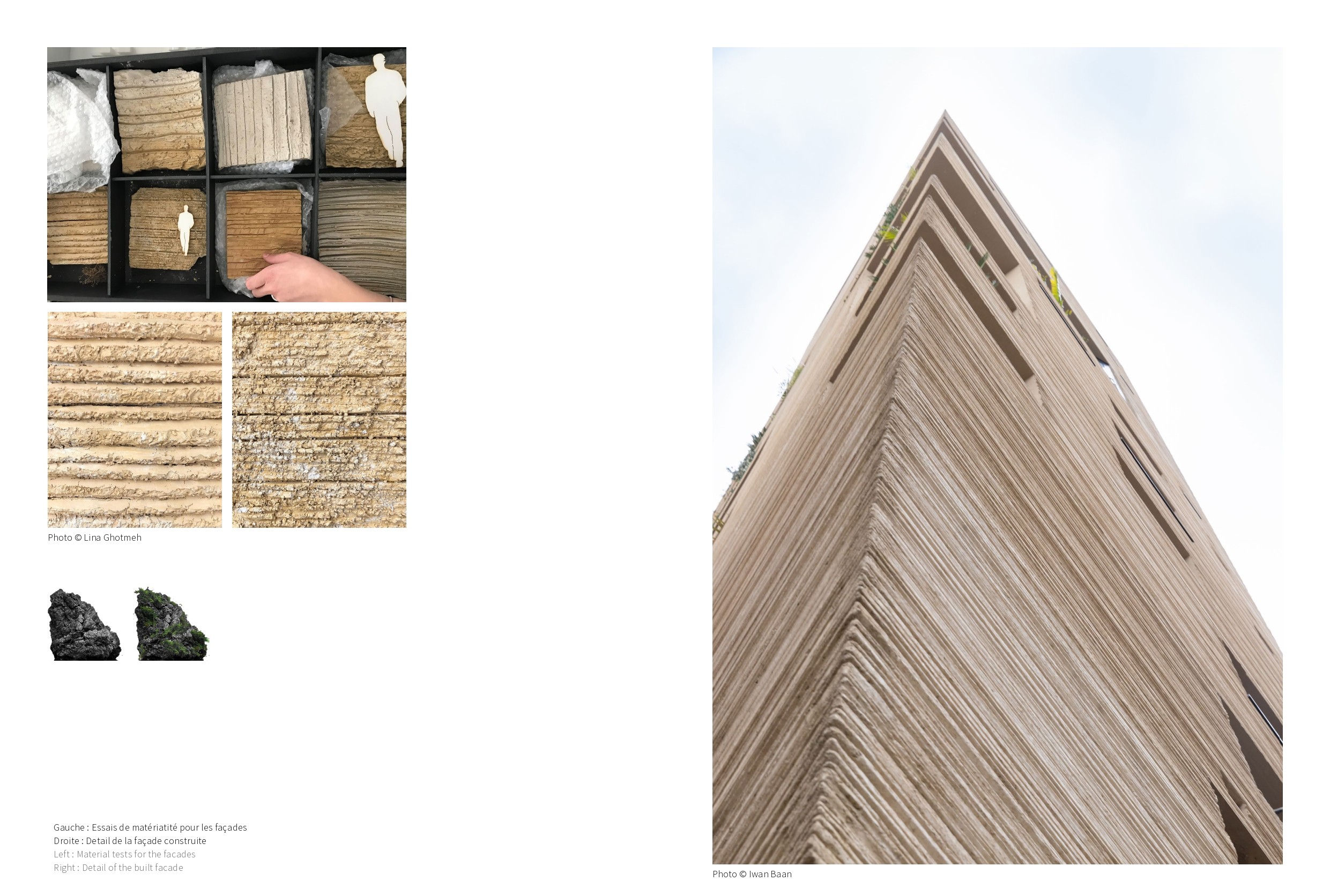
Inhabited by trees and gardens, windows invite nature to climb up to the sky of Beirut. The variety of their sizes individualize each residential floor generating new forms of communal spaces. The project appears in the city as an earthly emergence, its skin is custom designed. It is all labored and crafted by the hands of the many workers fleeing the neighboring wars. Projected earth, cement and fibers, the building’s skin is combed, and its making process is the result of incremental experimentation. It invites artisans to participate in the emotional realm of architecture, transforming architecture into a curing tool bringing people together.
Today, the tower has survived the major explosion in the city. It rises as a living archeology, a host of life, memory, and nature. It houses living spaces as well as the Mina Image Center an art platform dedicated to image, photography, debates, and reflections on the Middle East.
Located barely a mile away from the port area, I drew this building as an expression of the city’s history, a reaction to the war-torn Built scape that I strangely got accustomed to. I needed to draw an earthly presence amid the glass mirroring heights competing for the Mediterranean sky. Stone Garden attempted to quietly sit by the seaport, waving distantly at the sea visitors of the city. I wanted this ‘tower’ amorphous, as is the building regulations that helped me shape it. Hand sculpted, it emerges as a healing tool from the ground, or as I baptized it an “Archeology of the Future”. Its architecture wants to belong to earth, to remain anchored in its terrain. It embraces with generosity its adjacent yet modest buildings. It transforms the hollowed skins born naked in Beirut into positive havens of life. Its asymmetrical windows, dance around its sculpted mass, harvesting nature at heights.
Location Beirut, Lebanon
Completion 2020
Area 6413 m²
Commission Private
Client RED sal
Developper, Constructor Pegel Lebanon sal
Land Owners Fouad Elkhoury, Ilham Elkhoury, Marwan Elkhoury
Program Centre Mina pour I’Image au Moyen Orient
Architect Lina Ghotmeh – Architecture
Architect of Record Batimat Architects, Beirut
Design Architect Lina Ghotmeh – Architecture (2016-202), Dorell.Ghotmeh.Tane (2010-2016)
Photographs ©Iwan Baan
Links www.linaghotmeh.com
Social Media @linaghotmeh_architecture
English Text by Lina Ghotmeh
Arabic Text by Elias Khuri